MuleSoft sparks discussion and offers insights on intergration strategy
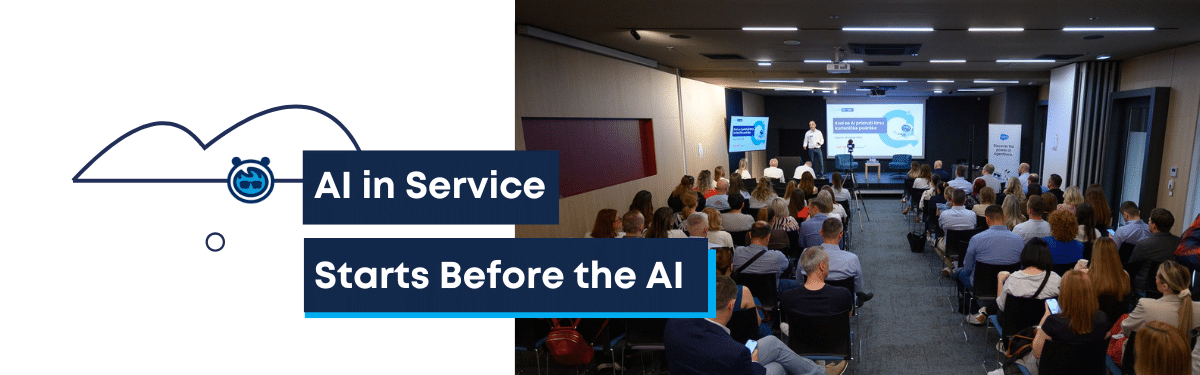
The first MuleSoft & Agilcon event in Ljubljana brought together IT experts from across different industries. The focus: how to overcome the transformation delivery gap, simplify complex system integrations, manage APIs at scale, and prepare for the AI-driven future.
The Transformation Delivery Gap
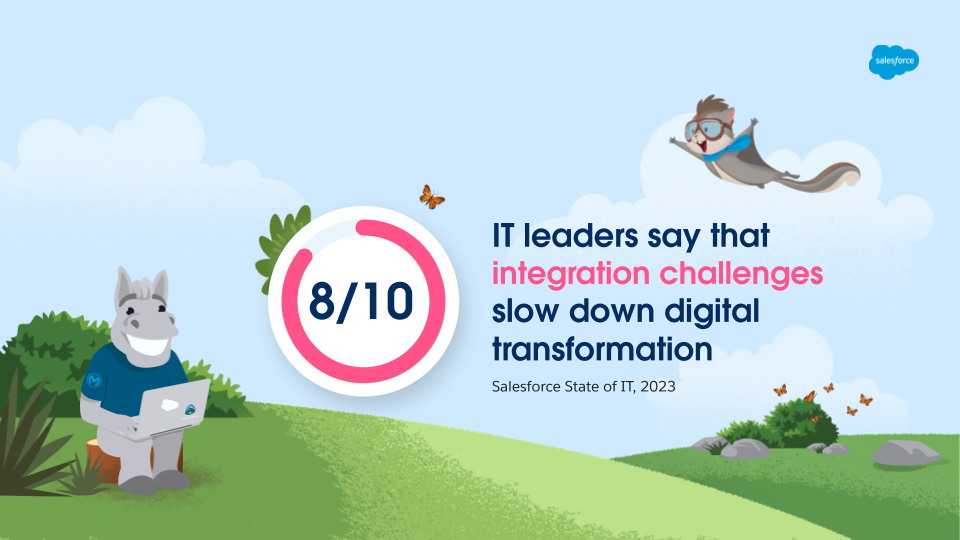
Eight out of ten CIOs admit that integration slows down their digital transformation projects. Aand as Igor Babitsch, Senior Account Executive at MuleSoft, often hears from IT leaders and CIOs, the other two are probably lying.
The reality is that IT leaders are under pressure to modernize core systems, connect new SaaS applications, improve customer experiences, and enable AI. But IT capacity often lags behind business demand. This creates the transformation delivery gap.
Bridging that gap requires a new approach that combines technology, methodology, and reusability.
From Spaghetti to Lasagna
Many organizations still operate in spaghetti architectures: dozens of systems connected point-to-point, held together with custom code. At first, it works. But as systems multiply, complexity grows exponentially. Changing or replacing even one system becomes a costly nightmare.
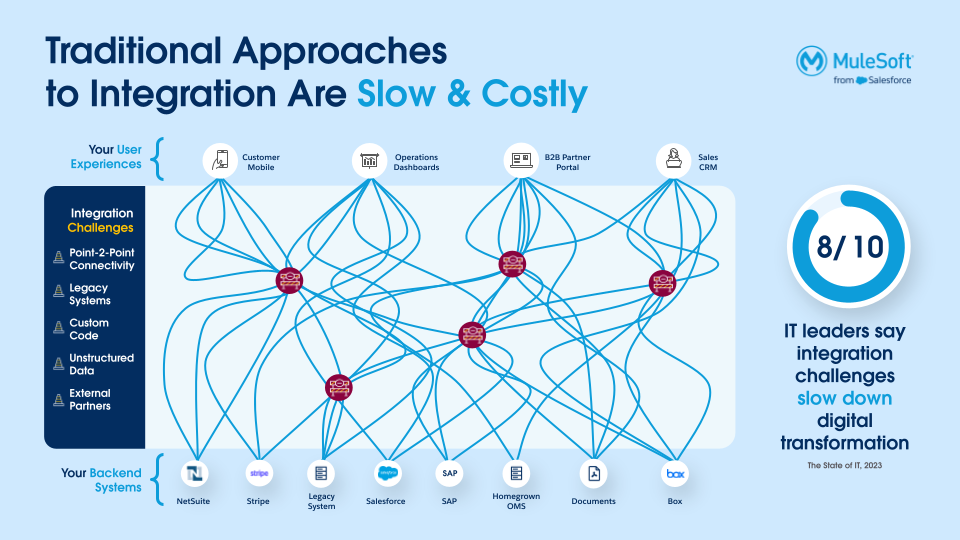
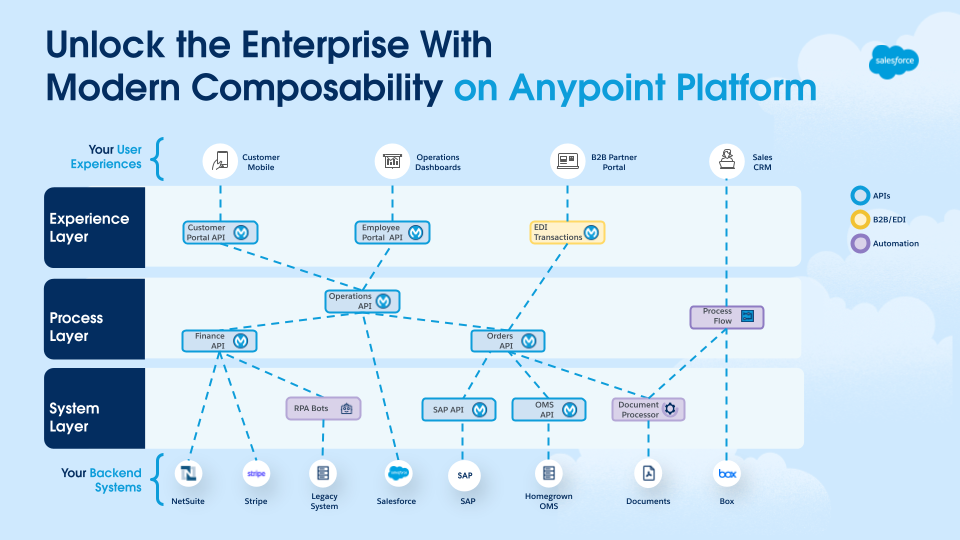
MuleSoft offers a layered architecture often described as moving from spaghetti to lasagna. The model separates:
- System APIs – unlock data from core systems like SAP or Salesforce.
- Process APIs – unify and orchestrate data into a domain-driven model.
- Experience APIs – deliver tailored data for web, mobile, or analytics applications.
This layered approach allows IT teams to decouple front-end and back-end systems, making integration faster, more scalable, and easier to govern.
Managing APIs at Scale
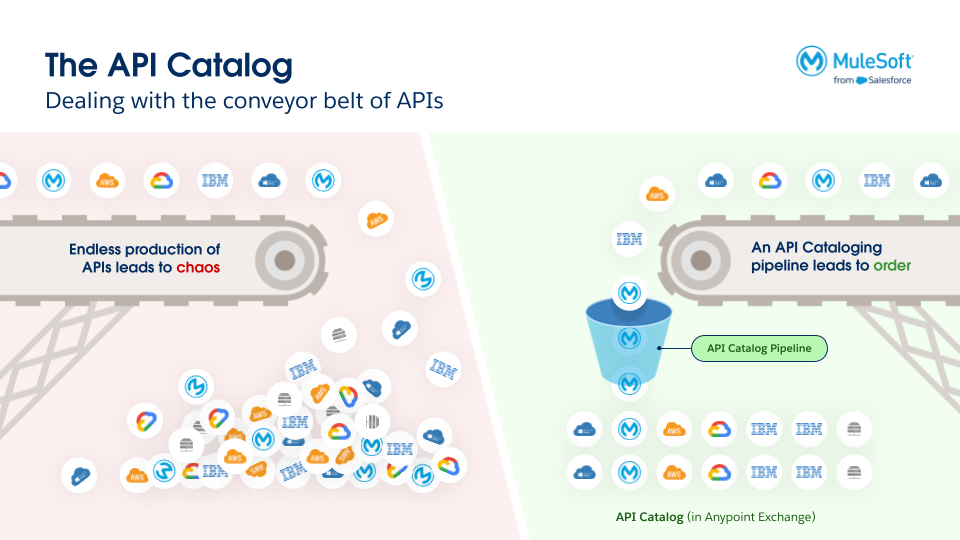
Another recurring theme was API management. Enterprises today run hundreds, sometimes thousands, of APIs. Without proper governance, duplication, missing documentation, and security risks pile up.
Andreas Postl, Lead Solution Engineer at Mulesoft, shared the example of a major bank in Europe, which discovered it was running 1,800 APIs. Shockingly, 60% of them were unusable because they lacked documentation or had unclear field definitions. Developers were even duplicating “customer APIs” because they didn’t know existing ones existed.
MuleSoft’s API catalog and governance modules provide one central place to discover, document, and enforce security policies across APIs – regardless of whether they were built with MuleSoft or not. For CIOs and Enterprise Architects, this means visibility, reusability, and control.
Book a free consultation and see how we can help you reach your goals.

Preparing for AI
The session also looked ahead to the impact of AI. Generative AI promises new possibilities, but without structured integration, its value remains limited.
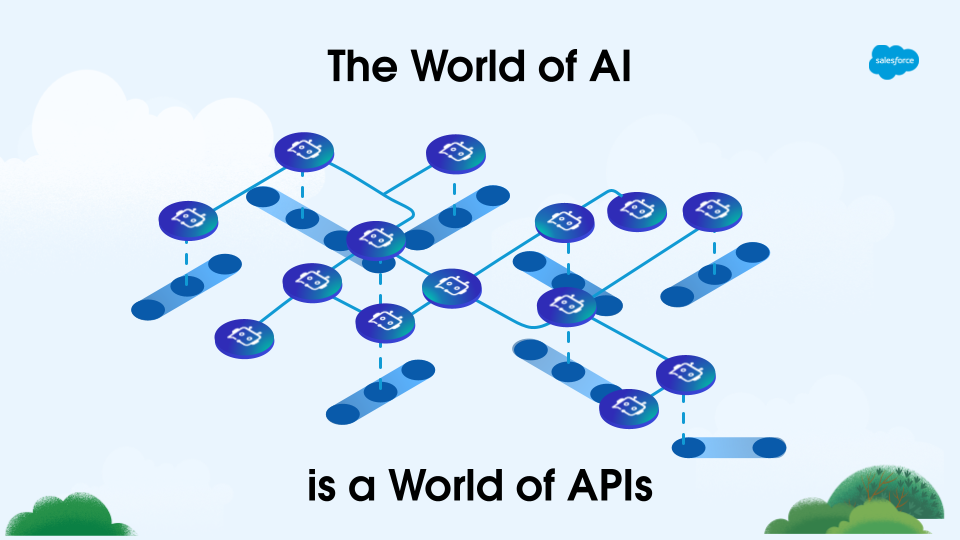
As Igor Babitsch noted: “ChatGPT can summarize beautifully. But if you ask it to create a calendar booking or fetch an order status, it needs access to enterprise systems and that requires APIs.”
MuleSoft positions itself as the bridge between AI models and enterprise data, using secure APIs and emerging protocols like MCP (Model Context Protocol). For CIOs and IT managers, this means that preparing for AI is inseparable from preparing an API-led architecture.
Real-World Use Cases
Several practical examples brought the message to life:
- SAP migrations: MuleSoft accelerators enable gradual moves from ECC to S/4HANA, reducing disruption.
- Insurance: AXA built a patient reimbursement portal 60% faster by reusing APIs.
- Telco: A hybrid approach allowed teams to standardize APIs while keeping flexibility across on-premise and cloud.
Across industries, the value proposition was clear: faster time-to-market, lower costs, and future-proof architectures.
Key Takeaways for IT Leaders
- Integration is a business issue, not just an IT issue. Downtime or delays impact customer experience and revenue.
- Reuse is the fastest path to value. Every reused API avoids duplication and accelerates delivery.
- API governance is essential. Without it, organizations lose visibility and security control.
- Modernization is gradual. MuleSoft supports parallel migrations to minimize risk.
- APIs are the foundation for AI. Without them, AI projects remain isolated pilots.
Closing Thoughts
The MuleSoft Ljubljana event highlighted that many IT leaders face the same challenges: legacy systems, integration complexity, and pressure to deliver more with less.
MuleSoft’s message was simple yet powerful: move beyond spaghetti architectures, embrace API-led connectivity, and prepare your organization not just for today’s projects, but for the AI-driven future.
Contact us
"*" indicates required fields